← Back to all defeats

Kathleen McDaniel

Baklava
S24E8 Middle Eastern · 2020
Where to find them

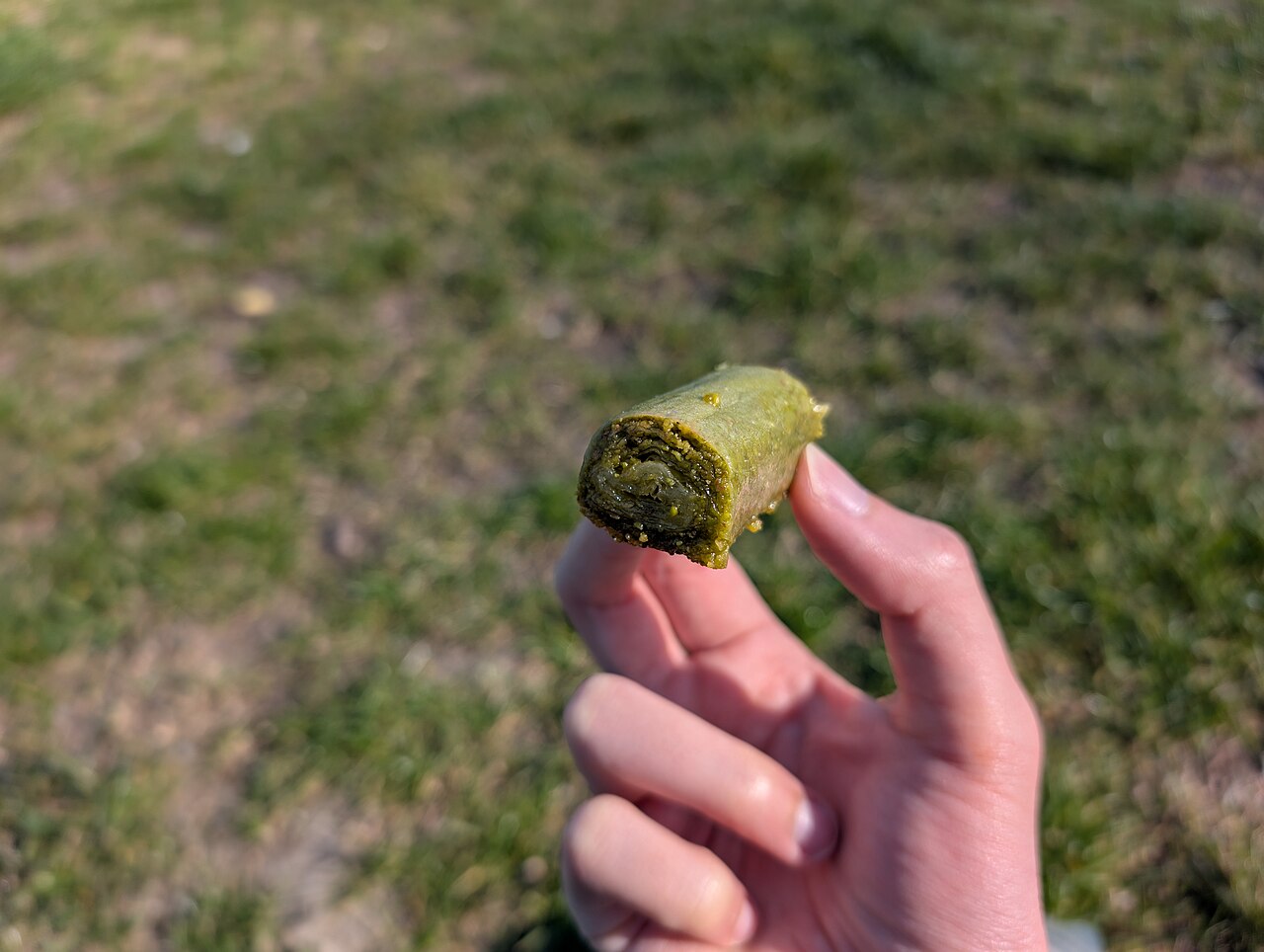
Pastry Director. Gluten-free. Sugar-free. Baklava. The phrase 'Bobby Flay does not stand a chance' can be arranged from those words in several different orders. Kathleen McDaniel, who works out of Zambawango in Sandy Springs, Georgia, and has built a specialty practice around low-carb and allergen-conscious pastry, walked into a challenge that was ostensibly about syrup and phyllo and turned it into a structural engineering problem.

Baklava's texture depends on the ratio of butter to phyllo layers and the temperature of the syrup poured at the finish. McDaniel brushed each layer with clarified butter rather than whole — less water content means crisper layers that don't steam-soften during baking. Her syrup went on cold over hot pastry, the thermal contrast driving rapid absorption without sogginess. She added orange blossom water at the very end, after heat, to preserve its volatility.

A pastry director who has spent years solving gluten and sugar constraints does not lose a baklava competition to a man whose pastry game has always been his acknowledged weak side.

More from Middle Eastern →

Baklava

35 min Prep
45 min Cook
24 Serves
  • 1 lb phyllo dough (about 20 sheets), thawed overnight in the fridge
  • 3 cups walnuts, finely chopped (or a mix of walnuts and pistachios)
  • 2 tsp ground cinnamon
  • 1/4 tsp ground cloves
  • 1 tbsp granulated sugar
  • 1 cup (2 sticks) unsalted butter, melted and cooled slightly
  • For the syrup:
  • 1 cup granulated sugar
  • 1 cup water
  • 1/2 cup honey
  • 1 strip lemon peel
  • 1 tbsp fresh lemon juice
  • 1 cinnamon stick
  • Pinch of fine sea salt
  • Optional: 1 tsp orange-blossom water or rose water (stirred in off the heat)
  1. Make the syrup first so it cools fully while the baklava bakes: combine sugar, water, honey, lemon peel, lemon juice, cinnamon stick, and salt in a small saucepan. Bring to a simmer over medium heat, stirring until the sugar dissolves. Reduce heat and simmer gently for 8-10 minutes until very slightly thickened. Remove from heat, stir in the orange-blossom water (if using), and let cool completely. The syrup MUST be cool when it meets the hot baklava — this is the entire trick.
  2. Preheat oven to 325°F. Brush a 9x13-inch baking pan with melted butter. Combine the chopped nuts with cinnamon, cloves, and 1 tbsp sugar in a bowl.
  3. Unroll the phyllo and cover it with a barely-damp tea towel so it doesn't dry out. Lay one sheet in the pan and brush lightly with butter. Repeat with seven more sheets, brushing each one (8 sheets total for the base layer). Sprinkle one-third of the nut mixture evenly across the surface.
  4. Layer four more buttered phyllo sheets over the nuts. Sprinkle another third of the nut mixture. Repeat: four more buttered sheets, the last of the nut mixture. Finish with a top layer of eight buttered phyllo sheets, brushing every one (the top layer should be slightly more generous with butter so it crisps to a deep gold).
  5. Using a very sharp knife, score the baklava all the way through into diamond shapes — make 5 long cuts on the diagonal one way, then 5 cuts on the cross-diagonal. The diamonds should be roughly 1.5 inches on each side. This MUST happen before baking; you cannot cut clean diamonds after.
  6. Bake for 40-45 minutes until the top is a deep, even gold and the pastry has visibly puffed and crisped. Remove from the oven and IMMEDIATELY pour the cooled syrup evenly over the entire surface — it should sizzle on contact. Listen for the sizzle; it's the sound of baklava working.
  7. Let the baklava cool, uncovered, for at least 4 hours (overnight is better) so the syrup is fully absorbed. Re-cut along the scored lines, lift out the diamonds, and serve at room temperature. Keeps in a tin at room temperature for a week.
Inspired by Kathleen McDaniel’s winning baklava. This is a plausible recreation, not the chef’s original recipe.
← PreviousDale Talde Next →Sylvain Delpique