← Back to all defeats

Shota Nakajima

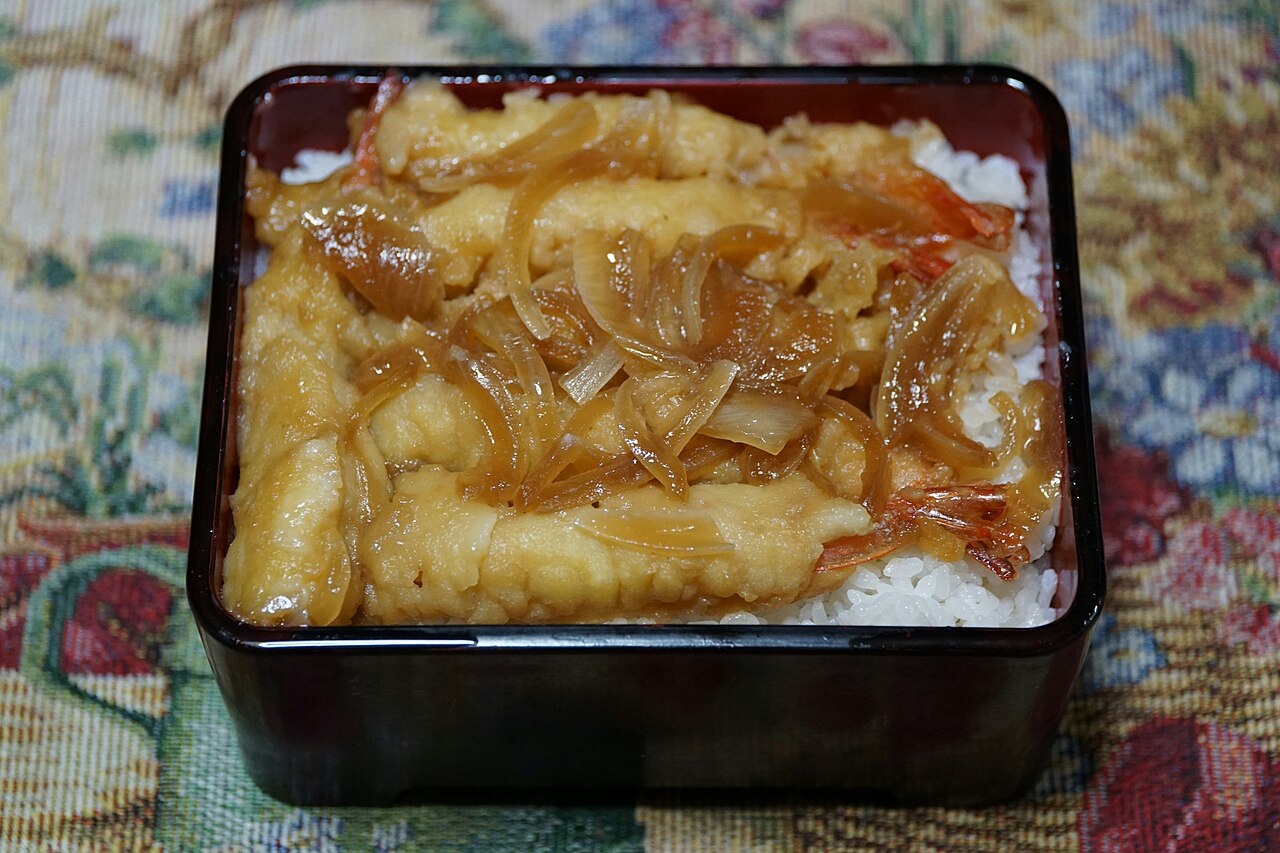
Tempura
S16E4 Japanese · 2018

Later competed on Top Chef: Portland as a finalist AND Fan Favorite. Trained at Tsuji Culinary Arts School in Osaka.

Where to find them
@chefshota

Shota Nakajima trained at Tsuji Culinary Arts School in Osaka, then opened Adana on Capitol Hill in Seattle, then went to Top Chef: Portland as a finalist and Fan Favorite, and somewhere in the middle of all that he beat Bobby Flay at tempura, which is the most technically exacting deep-fry in Japanese cuisine and possibly the most technically exacting deep-fry in any cuisine.

Tempura batter is a study in controlled failure: too much gluten development and you've made a coating, not a shell. Nakajima's batter is mixed with ice water — 34°F — and stirred with chopsticks in five or six strokes, leaving visible dry flour. The oil holds at 340°F for shrimp, 320°F for vegetables, and he never overloads the fryer, which drops the oil temperature and ruins the crust. The batter goes on immediately before frying, never rested.

Adana on Capitol Hill is the place you go when you want to understand what Seattle cooking looks like when it has something to prove. Bobby Flay, whose approach to deep-frying tends toward confidence over precision, was the object lesson.

More from Japanese & Korean →

Tempura

25 min Prep
20 min Cook
4 Serves
  • 1 cup ice-cold water
  • 1 cup all-purpose flour
  • 1 large egg yolk
  • 1 tsp baking soda
  • 1/2 tsp fine sea salt
  • 1 lb large shrimp, peeled and deveined with tails intact
  • 8 oz Japanese eggplant, sliced lengthwise into 1/4-inch planks
  • 4 oz shiitake mushrooms, stems removed, left whole
  • 1 medium kabocha squash, peeled and sliced into 1/8-inch rounds
  • 2 cups neutral oil for frying (vegetable or canola)
  • 1/2 cup dashi stock
  • 3 tbsp mirin
  • 2 tbsp soy sauce
  • 1 tbsp grated daikon radish
  • 1 tbsp finely grated fresh ginger
  1. Prepare dipping sauce: Combine dashi stock, mirin, and soy sauce in a small saucepan. Heat to 160°F over medium heat, then remove from heat and let cool to room temperature. Divide into four small serving bowls and top each with 1 teaspoon of daikon and 1 teaspoon of ginger.
  2. Pat all vegetables and shrimp completely dry with paper towels. Score the shrimp's back side in two shallow crosshatch cuts to prevent curling during frying.
  3. Heat oil in a heavy-bottomed pot or deep skillet to 340°F, using a thermometer for accuracy. Maintain this temperature throughout cooking.
  4. Make batter immediately before frying: In a chilled bowl, whisk together ice-cold water and egg yolk until combined. Add flour, baking soda, and salt in one addition, and fold together with 8-10 gentle strokes using chopsticks or a fork—do not overmix. Batter should be lumpy with visible flour streaks and the consistency of thin pancake batter.
  5. Working in three batches to maintain oil temperature, dip vegetables and shrimp in batter and gently place into 340°F oil, frying for 2-3 minutes until light golden and crispy. Do not overcrowd the pan. Transfer immediately to a wire rack set over paper towels.
  6. Check oil temperature between batches and maintain 340°F. If oil rises above 350°F, remove pan from heat for 1-2 minutes. If it drops below 335°F, increase heat gradually.
  7. Arrange fried tempura on a clean serving platter or four individual plates while still warm. Serve immediately with dipping sauce on the side, providing small dishes of sea salt as an optional alternative condiment for enhanced textural contrast.
Inspired by Shota Nakajima’s winning tempura. This is a plausible recreation, not the chef’s original recipe.
← PreviousFabio Viviani Next →Manish Tyagi